Is it safe to receive chiropractic treatment once you have already had a spinal surgery or fusion?

YES ! It is indicated!!
Of course, there is always a time and place for spinal surgery,a threshold point where this becomes absolutely necessary- one would be ignorant to think not. This is usually in the presence of PROGRESSIVE neurological fallout(progressive weakness etc) not just for discomfort and pain.
Unfortunately however, surgical procedures and fusions in particular are carried out way too prematurely often without patients even having a conservative trial of treatment. It is a flaw in our medical system. Statistically some South African cities are amongst the highest spinally operated cities in the world per capita!
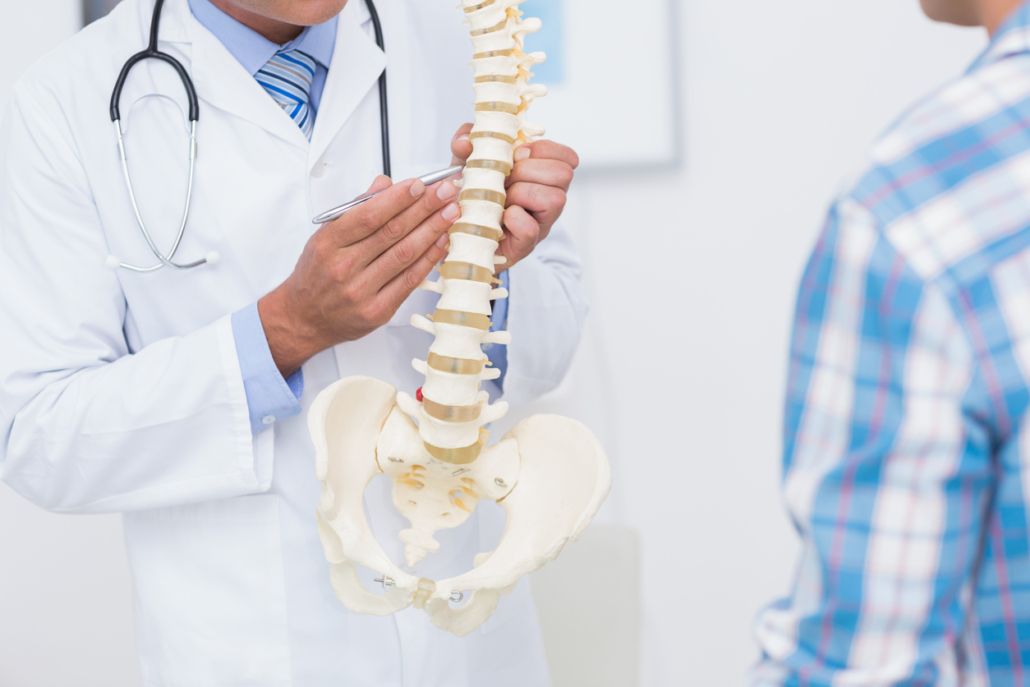
Where properly indicated, most spinal surgeries are successful, however, not failsafe. All too often in practice we see patients still experiencing the same or similar symptoms post surgery. That is often because the pain may have been CAUSED by dysfunction somewhere else. Referred pains, biomechanical inequalities (such as leg length discrepancies)or muscle imbalances are among a host of influencing factors here. If these are not properly addressed the stress will logically just be transferred to the next compensating spinal level, often leading to future adjacent surgeries and fusions-a story we’ve all heard before!
When a joint is fused, it can no longer function- it’s movement distribution and shock absorptive capabilities are nullified. Think of twisting a chain with a fused link- immediately the adjacent levels directly above and below the fused level are forced to do more, eventually becoming looser pivotal or weak spots. The same is applicable to the spine with the adjacent, compensating levels to the fusion becoming hypermobile (too much movement) pivot points. With all the movement happening at these pivot points, movement is stolen from the even higher and lower areas -which tend to become tight, blocked and dysfunctional as they are not being used properly. This puts even MORE stress back on the weak pivot points to compensate further! THANKFULLY CHIROPRACTIC ADRESSES THIS VERY BIOMECHANICAL IMBALANCE.
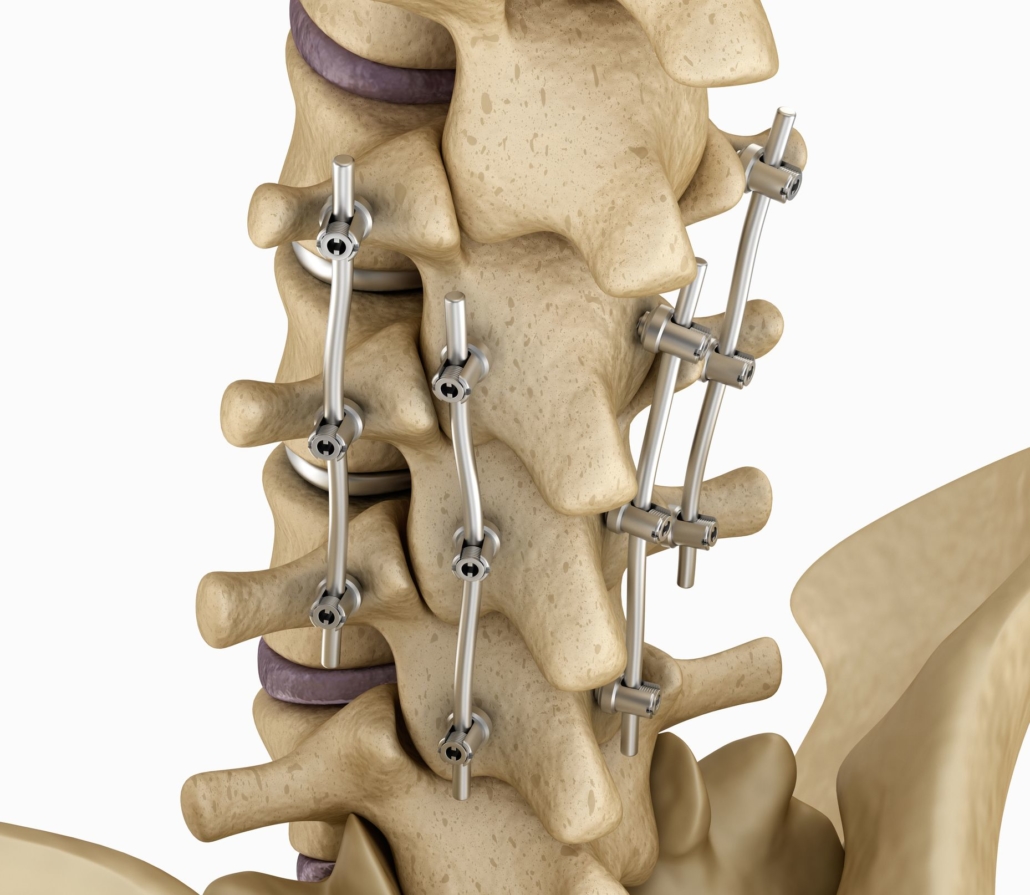
By keeping the GREATER AREA above and below the fusion (and of course the
entire spine) moving normally Chiropractic can help to prevent the development of these compensatory hypermobile pivot points. Your Chiropractor will apply very specific mobilization /manipulation to the tight, blocked, dysfunctional levels and apply muscle strengthening techniques to stabilize over the compensatory weak spots/pivot points. This ensures good, EVENLY DISTRIBUTED MOVEMENT at all levels.MOST IMPORTANTLY your Chiropractor will also address the aforementioned ROOT CAUSE of the problem by correcting structural imbalances(orthotics for leg length discrepancies etc) strength balancing, postural rehabilitation etc.

So as explained above-even though Chiropractic prides itself as being the primary conservative intervention for spinal pain and dysfunction, it still has a massive role to play post surgery! Remember we’ve got your back- post surgery too! Written by Dr. Etienne Greyling