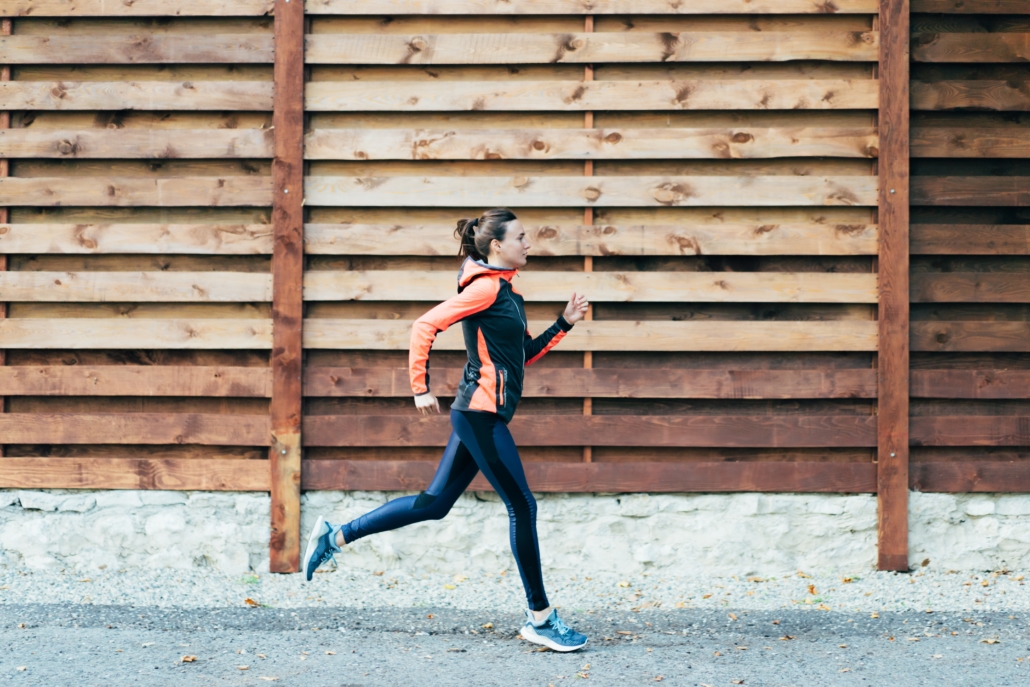
DO YOU EXPERIENCE PAIN ON THE OUTSIDE OF THE KNEE WHEN WALKING, RUNNING OR CYCLING? YOU COULD BE SUFFERING FROM ILIOTIBIAL BAND SYNDROME AND HERE IS HOW CHIROPRACTIC CAN HELP YOU.

Iliotibial band syndrome (ITBS) is a friction syndrome of the iliotibial band (ITB) over the lateral femoral condyle of the knee, causing pain and inflammation. The ITB is a tough tendinous band which originates as the gluteus maximus and tensor fascia lata muscles merge from the pelvis. The ITB then runs down the outside of the thigh, crossing the lateral knee over the lateral femoral condyle and attaches to the outside of the tibia (shin bone).

ITBS is classically defined as an overuse injury common in runners and cyclists, but it can occur in sedentary or inactive individuals. ITBS is easily diagnosed because of the obvious signs and history. It is, however, far less correctly treated because of the wide range of variables influencing knee joint biomechanics. These range from spinopelvic alignment issues to muscle imbalances around the hip and knee, through to foot problems.
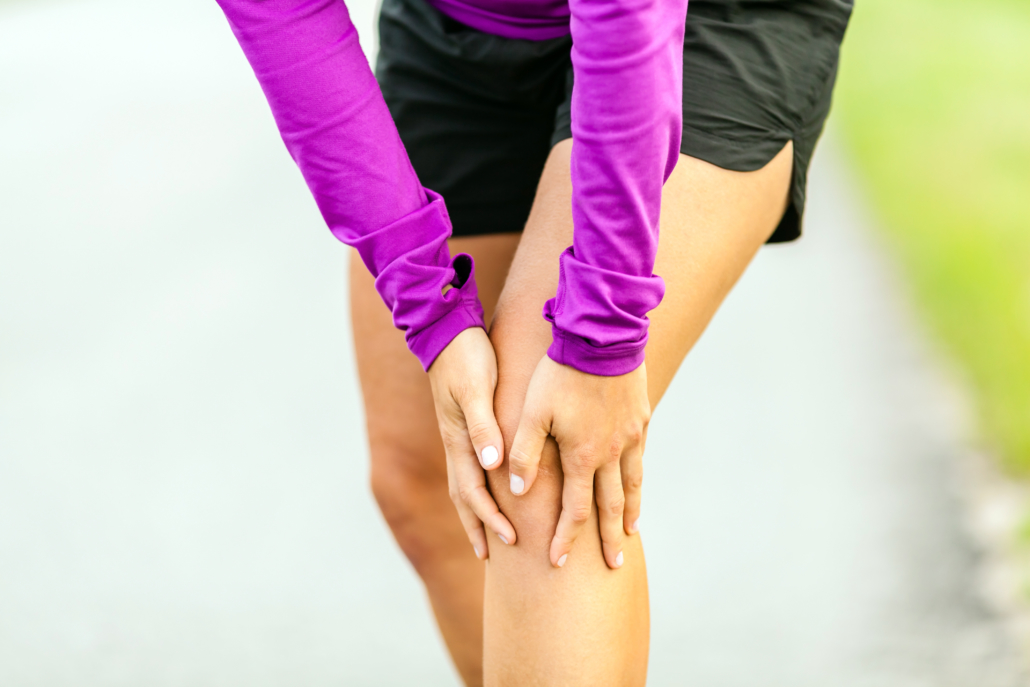
THE TYPICAL CAUSES OF ITBS RESULT IN INCREASED ITB TENSION AND TORSIONAL PRESSURE ON THE KNEE.THIS INCREASES FRICTION BETWEEN THE ITB AND THE LATERAL FEMORAL CONDYLE. CAUSES INCLUDE (AMONGST OTHERS) :
-Weak lumbar spine muscles causing a slouched posture and compensatory pronation at the feet.
-Pelvic torsion where the pelvis rotates about its axis causing a functional leg length difference.
-Excessively tight gluteus maximus and tensor fascia latae muscles which pulls the ITB too tight at the knee.
-Weak hip abductors including gluteus medius causing the pelvis to dip on the non weight-bearing side while walking/running- this tensions the ITB on the weight-bearing side.
-Foot problems such as pes planus (flat foot) or excessive foot pronation.
-Weak lower limb muscles such as tibialis posterior and calf muscles causing a longer toe-off action when walking or running resulting in compensatory foot pronation.

THANKFULLY CHIROPRACTIC ASESSES, ADRESSES AND TREATS ALL OF THE ABOVE:
Once your Chiropractor has corrected any lumbopelvic alignment issues, they will go about testing the strength and flexibility of related muscles down the leg. Myofascial trigger point therapy, strengthening and stretches are applied specific for each individual’s problem. Running style is assessed and bad habits are corrected. Home exercises are advised and CORRECT rolling of the ITB is especially recommended.
Anyone suffering with/recovering from ITBS should avoid running hills both up and down! Avoid running on a camber on the road and especially avoid very soft grassy tacks/trail running at first.

It is highly recommended that all runners have their foot action assessed by a reputed running store or podiatrist to make sure they are wearing the correct footwear, specific to their walking/running pattern.
If a leg length difference is structural or if foot problems can’t be rectified with exercise, referral to a podiatrist for orthotics may be indicated. YOUR CHIROPRACTOR WILL ALWAYS REFER YOU WHEN INDICATED. Surgery remains a poor option in the treatment of ITBS as it usually just adresses the symptomatic knee and not the actual cause of the problem.
Written by Dr. Etienne Greyling.